image
mobile_image
eyebrow
headline
What is pneumococcal pneumonia?
content
buttons
disclaimer
eyebrow
headline
Pneumococcal pneumonia is a bacterial lung infection that can be serious and can strike anytime without warning.
content
disclaimer
Buttons
icon
headline
It knows no season—you can get it any time of year.
content
Buttons
icon
headline
It could disrupt your life for weeks.
content
Buttons
icon
headline
In severe cases, it can even put you in the hospital.
content
Buttons
icon
headline
Don’t confuse pneumococcal pneumonia with the flu.
subheadline
content
Pneumococcal pneumonia is different from a cold or the flu. It’s a disease caused by Streptococcus pneumoniae, common bacteria that can be spread from person to person through coughing or close contact.
disclaimer
buttons
eyebrow
headline
Pneumococcal pneumonia and invasive pneumococcal disease are caused by bacteria.
headline2
content
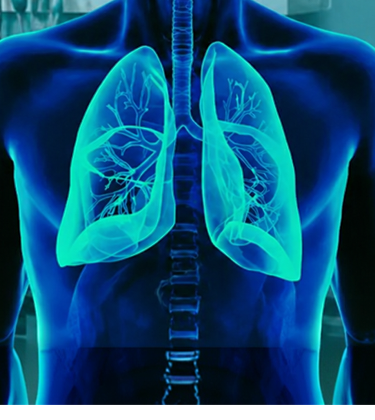
Streptococcus pneumoniae is the name for the bacteria that cause pneumococcal pneumonia and invasive pneumococcal disease (IPD). Both can be serious with symptoms that can last for weeks. Pneumococcal pneumonia can cause your lungs to fill with mucus, making it difficult to breathe. IPD includes meningitis and blood infection.
content2
buttons
Cta_brightcove_account_id
Cta_brightcove_video_id
disclaimer
image
Mobile_image
eyebrow
headline
It can disrupt your life for weeks.
subheadline
content
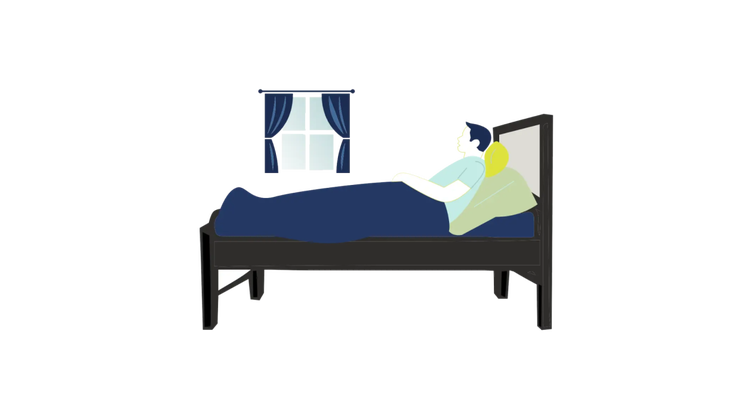
Pneumococcal pneumonia can strike in any season, but also may cause you to miss out on the things you love—and need—to do. It can:
- Cause fatigue that makes it hard to get through your day
- Put you in the hospital
- Impact your ability to work
- Leave you unable to care for loved ones
- Progress to cause other problems, such as infections of the blood or tissue covering the brain and spinal cord
buttons
content2
disclaimer
Image_disclaimer
Brightcove_video_id
Brightcove_account_id
image
Mobile_image
eyebrow
headline
Symptoms can be severe.
subheadline
content
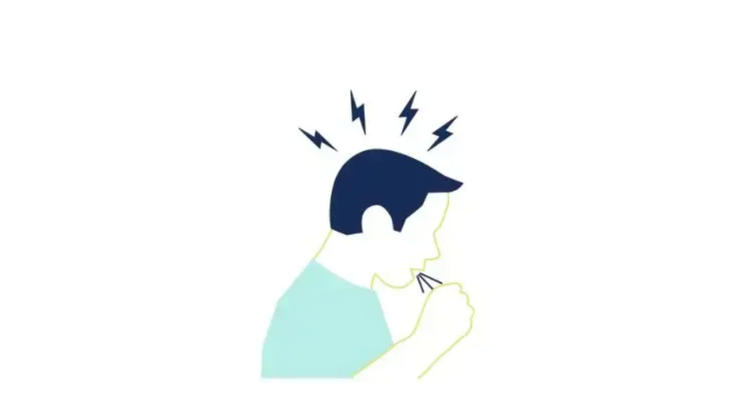
Some pneumococcal pneumonia symptoms may last for weeks and could include:
- Difficulty breathing
- Chest pain
- Fever
- Chills
- Excessive sweating
- Fatigue
- Cough with phlegm that gets worse over time
buttons
content2
disclaimer
Image_disclaimer
Brightcove_video_id
Brightcove_account_id
icon
headline
Are you 50 or older, or 19 or older with certain chronic conditions?
subheadline
content
Then you may be at increased risk for pneumococcal pneumonia.
disclaimer
image

Mobile_image
eyebrow
headline
One vaccine. One dose. One visit.
subheadline
content
Prevnar 20® was designed to help protect adults from 20 strains of the bacteria that cause pneumococcal disease. Prevnar 20 is a one-time dose.
If you've already been vaccinated with another pneumococcal vaccine like PCV13 or PCV15, ask your doctor or pharmacist if you are eligible for Prevnar 20.
buttons
content2
disclaimer
PCV13=13-valent pneumococcal conjugate vaccine; PCV15=15-valent pneumococcal conjugate vaccine.
Image_disclaimer
Brightcove_video_id
Brightcove_account_id
headline
content
eyebrow
disclaimer